
Uniflex PES-TMEL UNI universal sealant
-

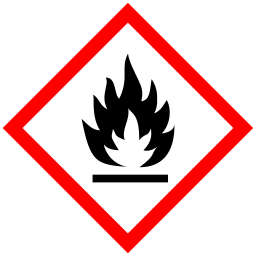 GHS02 - flammable substances
 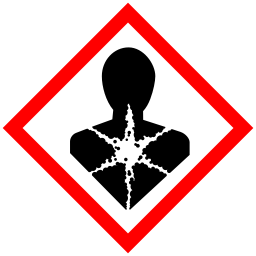 GHS08 - substances hazardous to health 18+Sale from 18 years

Uniflex putty uni is a two-component universal polyester putty intended for sealing larger and smaller irregularities. It is mainly used on metal, steel, stone, concrete and wood. Uni putty can be painted over, for indoor and outdoor use. Metal substrates subject to corrosion need to be provided with an anti-corrosion base, especially in the exterior. The putty is gray with a red hardener. The sealant must not be used to seal areas that come into direct contact with food and drinking water.
Characteristics of the universal sealant:
Two-component universal polyester putty
Learned to seal medium and larger irregularities
Excellent adhesion to most surfaces, especially metal, steel, stone, concrete, wood, etc
Suitable for repairing damaged substrates
High filling capacity
Easy workability and sanding
Paintable
For indoor and outdoor use
Viscosity at 20 °C pasty
VOC content: 2004/42/IIB (b) (250) < 250g/l
Shade of gray
Processing of universal putty:
Base for putty:
The substrate must be clean, dry, load-bearing, free of rust, grease and oil. Sand the original coatings down to the base. Treat metal substrates with a primer with anti-corrosion properties - especially important in the exterior.
Hardening of the sealant:
The putty is hardened with a hardener in a mass ratio of 100 parts of putty: 2 parts of hardener. Excessive addition of hardener is undesirable. It can lead to efflorescence and discoloration in the subsequent top coat.
Good putty processing:
3 – 4 minutes at + 20 °C. The reaction temperature must not fall below +5°C.
Applying the sealant:
by troweling.
Drying time and sandability of the putty:
at + 20°C approx. after 15 minutes against dust, sandable after 25 minutes.
GHS02 - flammable substances GHS08 - substances hazardous to health Signal word: Warning
Styren.
| H226 | Flammable liquid and vapors. |
|---|---|
| H304 | It can cause death if swallowed and enters the respiratory tract. |
| H315 | It irritates the skin. |
| H319 | Causes serious eye irritation. |
| H332 | Harmful by inhalation. |
| H335 | May cause respiratory irritation. |
| H361d | Suspicion of damage to the fetus in the mother's body by inhalation. |
| H372 | Causes organ damage with prolonged or repeated exposure. |
| H373 | May cause organ damage through prolonged or repeated exposure. |
| H412 | Harmful to aquatic organisms, with long-term effects. |
| P102 | Keep out of reach of children. |
| P210 | Keep away from heat, hot surfaces, sparks, open flames and other sources of ignition. No smoking. |
| P260 | Do not breathe dust/fume/gas/mist/vapours/aerosols. |
| P280 | Wear protective gloves/protective clothing/safety glasses/face shield. |
| P308+P311 | PŘI expozici nebo podezření na ni: Volejte TOXIKOLOGICKÉ INFORMAČNÍ STŘEDISKO/lékaře/ tel. 224 919 293 nebo 224 915 402 (24 hodin denně) |
| P501 | Remove the contents/packaging according to the instructions on the product. |
| Producer | Skupina BARVY A LAKY |
|---|---|
| Brand | Uniflex |
| Product list |